All 14 Subjects
Real people. Real analysis.
Every subject is listed in chronological order by birth. Every one receives six Primary Analysis Essays (A–F) and six Advanced Synthesis Essays. No composites. No mythologizing. No flattening.
No image survives.
The colonial archive recorded his utility. Not his face.
# 01
NFA Foundational Essay — #1
Mustafa ibn Muhammad (Estevanico)
c. 1500 – 1539
Era 2 · Early Atlantic World
Primary Analysis — #1A
Coerced Mobility and Knowledge Brokerage in the Early Atlantic
6 Primary
6 Advanced

# 02
NFA Foundational Essay — #2
Queen Nzinga Mbande
c. 1583 – 1663
Era 2 · Early Atlantic World
Primary Analysis — #2A
Adaptive Sovereignty Under Asymmetric Power
6 Primary
6 Advanced
No image survives.
Enslaved women in colonial Virginia were not painted. The case record is all that remains.
# 03
NFA Foundational Essay — #3
Elizabeth Key Grinstead
c. 1630 – after 1665
Era 3 · Colonial America
Primary Analysis — #3A
Legal Identity and Racial Status Formation
6 Primary
6 Advanced

# 04
NFA Foundational Essay — #4
Queen Nanny of the Maroons
c. 1686 – c. 1755
Era 3 · Colonial America
Primary Analysis — #4A
Autonomous Community Formation Under Colonial Pursuit
6 Primary
6 Advanced

# 05
NFA Foundational Essay — #5
Toussaint Louverture
c. 1743 – 1803
Era 4 · Revolutionary Atlantic
Primary Analysis — #5A
Revolutionary State Formation Under Constraint
6 Primary
6 Advanced

# 06
NFA Foundational Essay — #6
King Ghezo of Dahomey
c. 1797 – 1858
Era 5 · Antebellum Atlantic
Primary Analysis — #6A
Monarchical Power in Atlantic Political Economy
6 Primary
6 Advanced

# 07
NFA Foundational Essay — #7
Frederick Douglass
c. 1818 – 1895
Era 5 · Antebellum United States
Primary Analysis — #7A
Literacy and Moral Authority in Abolition Politics
6 Primary
6 Advanced

# 08
NFA Foundational Essay — #8
Harriet Tubman
c. 1822 – 1913
Era 5 · Antebellum United States
Primary Analysis — #8A
Covert Networks and Liberation Logistics
6 Primary
6 Advanced

# 09
NFA Foundational Essay — #9
W. E. B. Du Bois
1868 – 1963
Era 7 · Post-Reconstruction
Primary Analysis — #9A
Double Consciousness and Structural Citizenship
6 Primary
6 Advanced
_(cropped).jpg)
# 10
NFA Foundational Essay — #10
Mary McLeod Bethune
1875 – 1955
Era 7 · Post-Reconstruction
Primary Analysis — #10A
Educational Institution Building Under Segregation
6 Primary
6 Advanced

# 11
NFA Foundational Essay — #11
Pauli Murray
1910 – 1985
Era 8 · Mid-20th Century
Primary Analysis — #11A
Legal Imagination and Civil Rights Architecture
6 Primary
6 Advanced
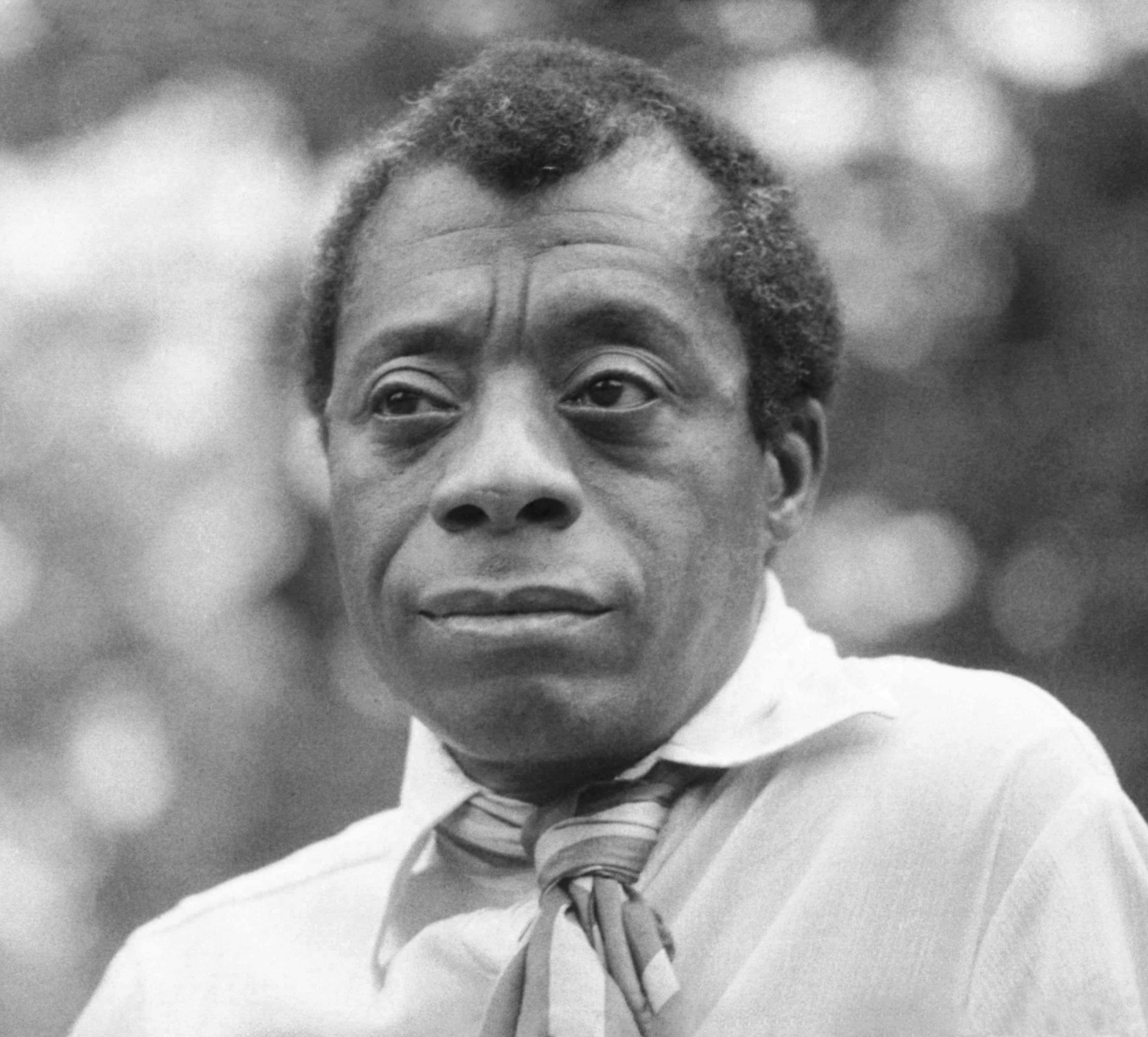
# 12
NFA Foundational Essay — #12
James Baldwin
1924 – 1987
Era 9 · Civil Rights & Black Power
Primary Analysis — #12A
Moral Witness and National Conscience
6 Primary
6 Advanced
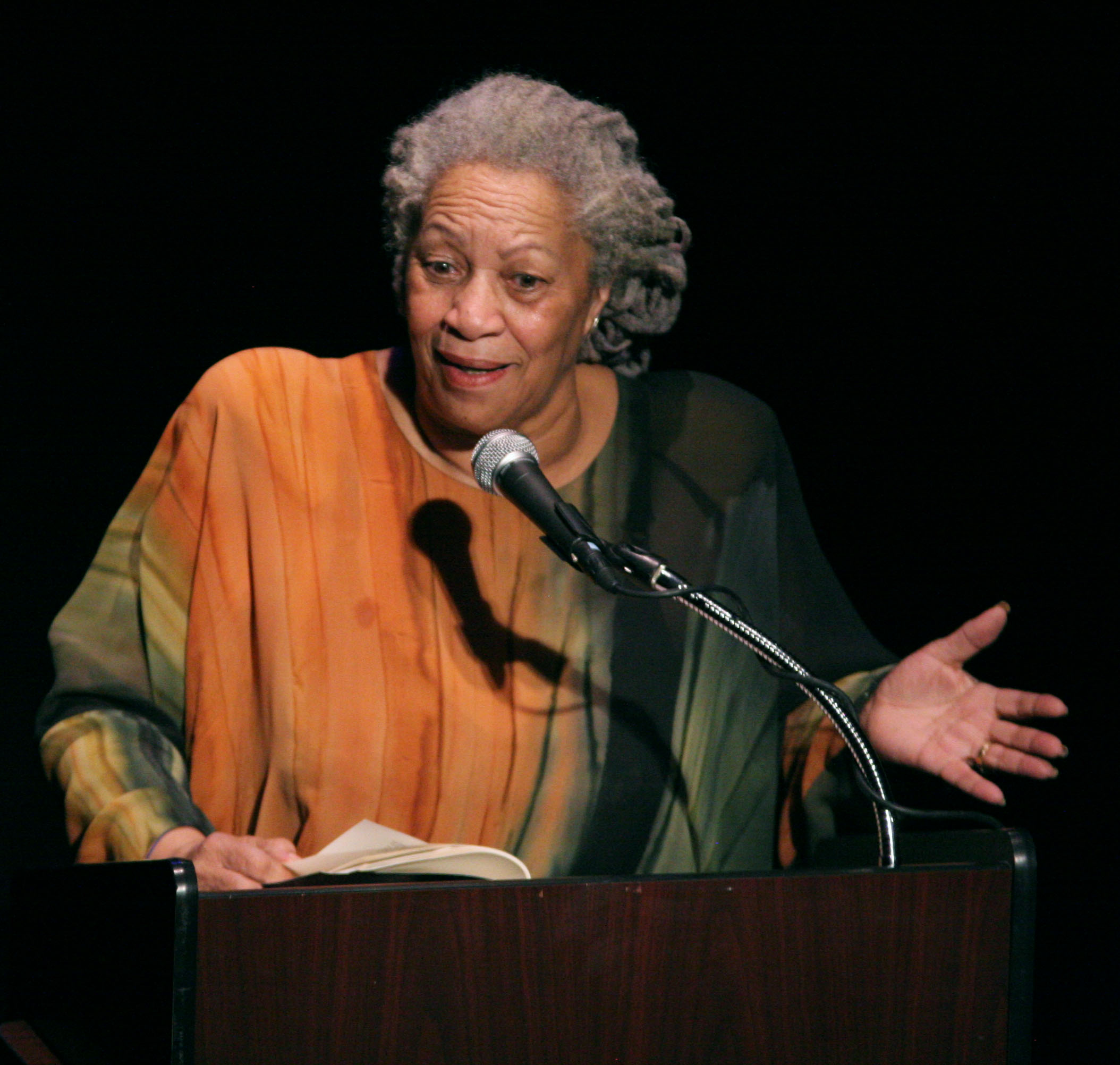
# 13
NFA Foundational Essay — #13
Toni Morrison
1931 – 2019
Era 10 · Contemporary
Primary Analysis — #13A
Narrative Sovereignty and Historical Memory
6 Primary
6 Advanced
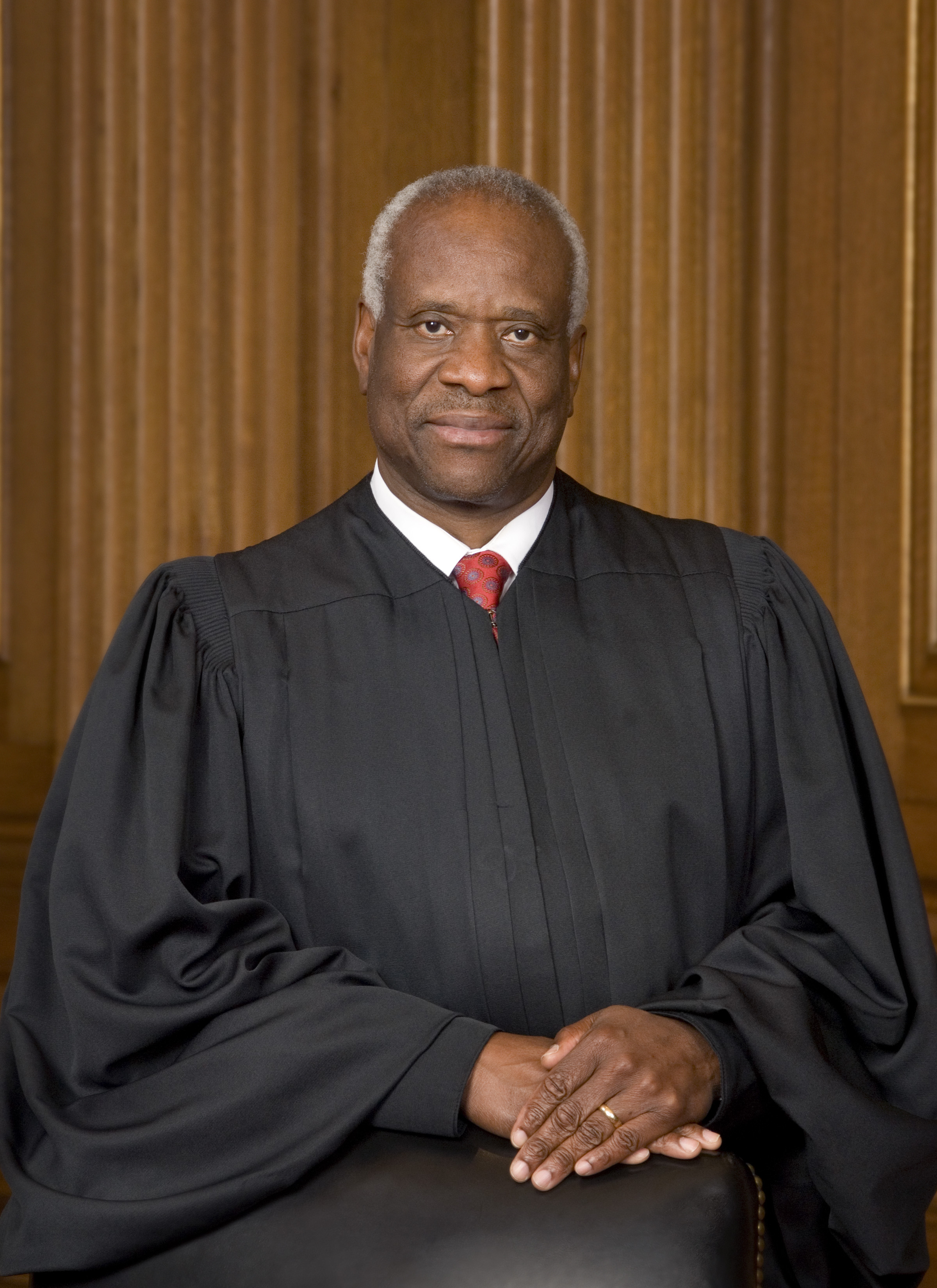
# 14
NFA Foundational Essay — #14
Clarence Thomas
1948 – present
Era 10 · Contemporary
Primary Analysis — #14A
Judicial Philosophy and Constitutional Interpretation
6 Primary
6 Advanced